Pneumococcal Vaccination Information
Between 2020 and 2022, all patients born from 1941 to 1956 were invited for pneumococcal vaccination. During the 2023–2024 campaign year, all patients born from 1957 to 1960 received an invitation. In the autumn of 2024, all patients born from 1961 to 1964 will be invited.
This way, all patients aged 60 to 79 are vaccinated over a five-year period, from oldest to youngest.

How Does the Pneumococcal Vaccine Work?
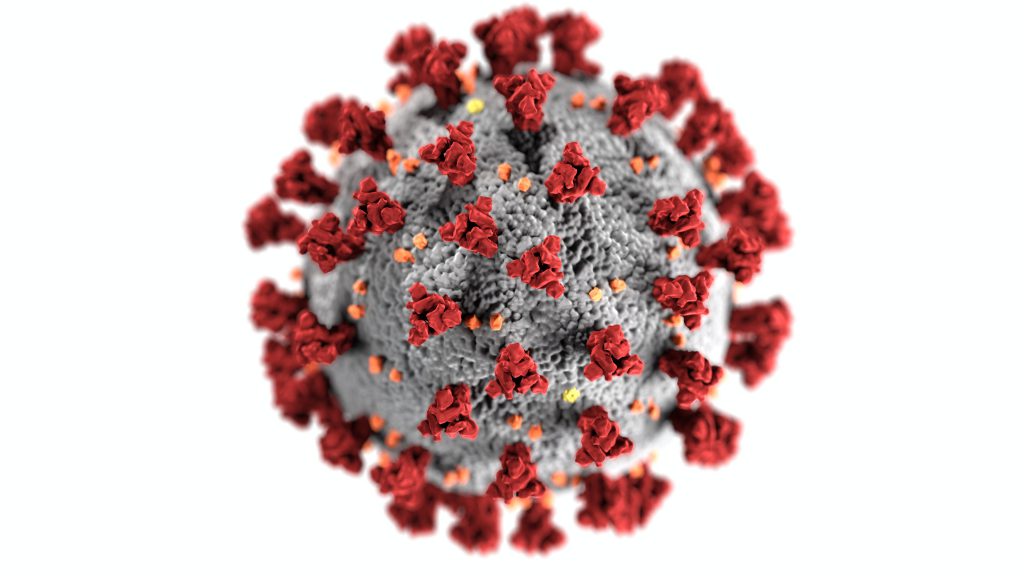
The pneumococcal vaccine protects you against diseases caused by pneumococcal bacteria. One of the most common diseases caused by pneumococci in people aged 60 and older is pneumonia.
The pneumococcal vaccine is safe and has been administered to people since 1983, so there is extensive experience with this vaccine.
There are more than 90 types of pneumococci. The vaccine protects against the 23 most common types, meaning you cannot become infected with these types. The vaccine does not protect against all pneumococcal types. Each year, around 6,000 people aged 60 and older are hospitalized with pneumococcal disease, of whom 900 die. The pneumococcal vaccine can prevent approximately 800 hospital admissions and 120 deaths each year.
Protection starts about 2 weeks after vaccination.
Should You Get the Pneumococcal Vaccine?
If you have had a pneumococcal disease before, you cannot get the same type again, as your body has developed immunity. However, you can still get infected by other types. If you have had a pneumococcal infection from one of the 23 types, it is still recommended to get the vaccine to protect against the other 22 types.
On the first day, you may experience pain, redness, or slight swelling at the injection site (upper arm). You may also have mild fever or muscle aches, similar to any other vaccination. These side effects usually disappear within 1–2 days. Studies show that side effects are not worse if the flu and pneumococcal vaccines are given at the same time.
If you have received an invitation for the flu and pneumococcal vaccination, please bring the letter with you. Unfortunately, we cannot administer the vaccines without it.